Table of Contents
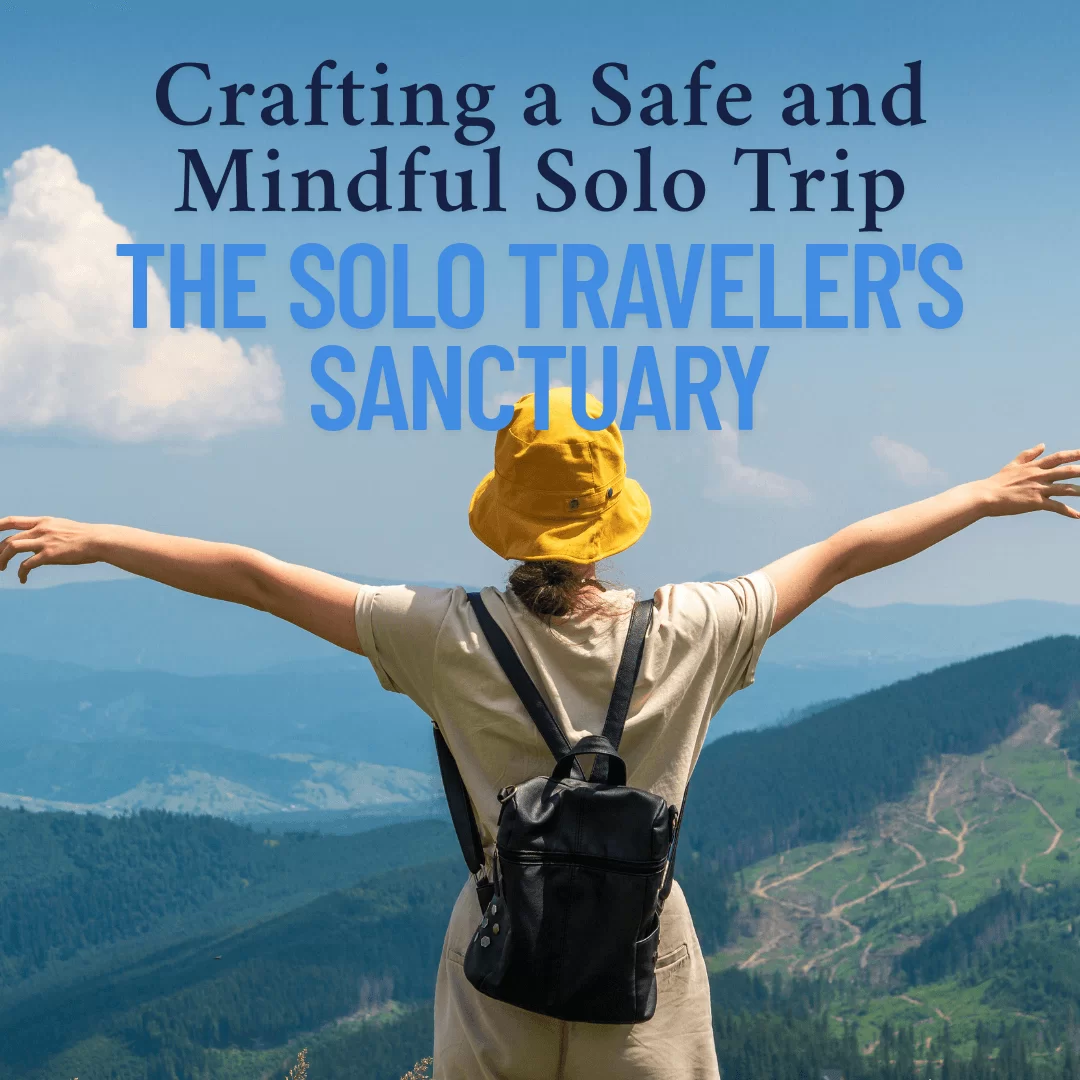
Day 16 – The Solo Traveler’s Sanctuary: Crafting a Safe and Mindful Solo Trip
Day 16 of Our 30-Day Journey to a More Balanced Life
Welcome back, intrepid adventurers! We’re now over halfway through our 30-day challenge, and today, we’re embarking on a journey that many dream of but often hesitate to take: solo travel. However, our focus isn’t just on the destination, but on the experience – specifically, how to create a safe and mindful solo trip.
Solo travel is often painted as an act of ultimate freedom and self-discovery, and indeed it is. It’s an opportunity to shed expectations, to listen to your own rhythm, and to truly connect with yourself and the world around you on your own terms. Yet, for many, particularly women, the idea of venturing out alone can be daunting, shadowed by concerns about safety. Furthermore, in our hyper-connected world, true “escape” can feel elusive, even when physically far from home. This is where the powerful combination of safety strategies and mindful practices comes in.
This deep dive will equip you with the knowledge, tools, and mindset to transform your solo travel aspirations into a reality that is not only secure but also profoundly enriching. We’ll explore practical safety measures, delve into the benefits and techniques of mindful travel, and provide actionable steps to ensure your next solo adventure is your personal sanctuary, a space for growth, discovery, and unparalleled peace.
The Allure and The Apprehension: Why Solo Travel?
Before we talk about how to travel solo safely and mindfully, let’s acknowledge why so many are drawn to it, and why the apprehension exists.
The Allure:
- Ultimate Freedom: No compromises on itinerary, meals, or pace. You decide everything.
- Self-Discovery: Solo travel often pushes you out of your comfort zone, forcing you to rely on yourself and discover strengths you never knew you had.
- Deep Immersion: Without the distraction of companions, you’re more likely to engage with locals, observe your surroundings, and truly absorb the culture.
- Personal Growth: Navigating challenges independently builds confidence, resilience, and adaptability.
- Mindfulness by Default: Being alone in a new environment naturally encourages presence and observation.
The Apprehension:
- Safety Concerns: This is often the biggest hurdle, especially for women, with worries about harassment, theft, or medical emergencies.
- Loneliness: The fear of feeling isolated or missing companionship.
- Navigation and Logistics: The responsibility of planning and executing everything falls solely on you.
- Cost: Sometimes, sharing costs with others can make travel more affordable.
Our goal today is to address these apprehensions head-on, transforming them into opportunities for empowerment and a deeper connection with your travel experience.
Building Your Fortress: Essential Safety Strategies for Your Solo Trip
Safety is paramount, and a safe and mindful solo trip begins long before you pack your bags. It starts with meticulous planning, smart choices, and a strong sense of awareness.
1. Research, Research, Research:
- Destination Deep Dive: Before booking anything, research your destination extensively. Look into local customs, cultural norms (especially regarding dress and interactions between genders), political stability, and common scams. Websites like government travel advisories (e.g., your country’s foreign affairs website), reputable travel blogs, and forums dedicated to solo travel (especially solo female travel) are invaluable.
- Accommodation Vetting:
- Read reviews meticulously, specifically looking for comments on safety for solo travelers, security measures (24/7 reception, good locks, well-lit areas).
- Consider hostels with female-only dorms, reputable guesthouses, or hotels with strong security.
- Look at the surrounding neighborhood on Google Street View – is it well-lit? Are there amenities nearby?
- Transportation Planning: Understand the local transportation system. Is public transport safe and reliable? Are ride-sharing apps prevalent and trustworthy? Always prioritize licensed taxis or pre-booked transfers, especially when arriving at night. Avoid hitchhiking.
- Emergency Numbers: Save local emergency numbers (police, ambulance, embassy/consulate) in your phone and have a physical copy too.
2. Share Your Itinerary (and Stay Connected):
- Trusted Contacts: Share your detailed itinerary (flight numbers, accommodation names and addresses, planned activities) with a trusted friend or family member back home.
- Regular Check-ins: Establish a schedule for checking in with them – daily, every few days, whatever makes you comfortable. Let them know if you’re going off-grid for a period.
- Digital Tools: Use apps that allow location sharing (e.g., Google Maps, WhatsApp live location) with your trusted contacts, especially when you’re on the move or exploring new areas.
- Local SIM Card: Upon arrival, get a local SIM card. This ensures you have reliable data and can make local calls, crucial for navigation, communication, and emergencies.
3. Master the Art of Blending In:
- Dress Code: Observe how locals dress and try to adapt, especially in more conservative cultures. Modest clothing can help you avoid unwanted attention. When in doubt, err on the side of caution with longer skirts/trousers and covered shoulders.
- Body Language: Walk with confidence and purpose, even if you’re lost. Avoid looking overtly disoriented or engrossed in your phone. Make eye contact when appropriate, but avoid prolonged stares that could be misinterpreted.
- Valuables: Don’t flash expensive jewelry, cameras, or large sums of cash. Keep valuables secure and out of sight, ideally in a cross-body bag worn in front, or a money belt. Consider leaving irreplaceable items at home.
- Situational Awareness: Be aware of your surroundings at all times. Avoid walking alone at night in poorly lit areas. Trust your gut instinct – if a situation or person feels off, remove yourself.
4. Secure Your Belongings:
- Luggage Locks: Use TSA-approved locks on your luggage.
- Hotel Security: Always lock your room door, even when you’re inside. Utilize the hotel safe for passports, extra cash, and valuable electronics. Consider a portable door alarm or wedge for extra peace of mind.
- Public Places: Be extra vigilant in crowded areas like markets, train stations, and public transport. Keep your bag on your lap or held securely, not slung over a chair.
5. Smart Money Management:
- Diversify: Don’t keep all your money in one place. Spread cash across different pockets, bags, and perhaps a money belt.
- Multiple Payment Methods: Carry a primary credit/debit card, a backup card, and some local currency. Inform your bank of your travel plans to avoid card freezes.
- ATM Use: Use ATMs during daylight hours, preferably inside banks or well-lit, busy areas.
- Emergency Fund: Have a small, separate emergency stash of cash, perhaps $50-$100, hidden away for unforeseen circumstances.
6. Trust Your Instincts (and Learn to Say NO):
- This is arguably the most crucial safety tip. Your gut feeling is a powerful alarm system. If a person or situation makes you feel uneasy, leave. Don’t worry about being polite or offending anyone. Your safety comes first.
- Practice saying a firm “no” or “no, thank you” in the local language. Don’t engage in prolonged conversations with strangers who make you uncomfortable.
You Will love it: Solo Flight Savvy: Women’s Secret Weapons for Tackling the Middle Seat Like a Pro
Cultivating Inner Peace: The Mindful Traveler’s Practices
A safe and mindful solo trip isn’t just about external precautions; it’s about cultivating an internal state of presence and awareness. Mindfulness transforms a mere vacation into a deeply meaningful journey.
1. Disconnect to Reconnect:
- Digital Detox: While technology is vital for safety, excessive screen time can detract from your experience. Designate specific times for checking emails or social media.
- Be Present: Put your phone away when exploring, eating, or interacting. Instead of constantly documenting, focus on experiencing the moment with all your senses.
- Offline Tools: Download maps, guidebooks, and entertainment offline.
2. Engage All Your Senses:
- Observe: Really see the colors, the architecture, the faces. Notice the details you might otherwise rush past.
- Listen: Tune into the sounds of the city, the rhythm of a foreign language, the natural melodies.
- Taste and Smell: Savor local cuisine, notice the aromas of markets, spices, or blooming flowers.
- Feel: Pay attention to the texture of a stone wall, the warmth of the sun, the cool breeze.
3. Practice Mindful Movement:
- Slow Down: Resist the urge to rush from one landmark to the next. Allow yourself to wander aimlessly, get lost (safely!), and discover hidden gems.
- Walking Meditations: Turn your walks into a form of meditation. Pay attention to your breath, the sensation of your feet on the ground, and the sights and sounds around you without judgment.
- Conscious Eating: When dining, eat slowly, savoring each bite. Notice the flavors, textures, and aromas. Avoid distractions like your phone or a book.
4. Journaling and Reflection:
- Capture More Than Photos: A travel journal is a powerful tool for mindfulness. Write down your observations, feelings, challenges, and discoveries.
- Daily Reflection: Dedicate time each day (perhaps over a morning coffee or before bed) to reflect on your experiences. What did you learn? What surprised you? How did you feel?
- Process Emotions: Solo travel can bring forth a range of emotions, from exhilaration to occasional loneliness. Journaling provides a safe space to process these feelings.
5. Embrace Imperfection and the Unknown:
- Let Go of Expectations: While planning is crucial for safety, hold your itinerary loosely. Be open to unexpected detours, spontaneous encounters, and changes in plans.
- See Challenges as Growth: Not everything will go smoothly. View setbacks not as failures, but as opportunities to practice resilience, problem-solving, and adaptability.
- Embrace Solitude: While connecting with others can be wonderful, also embrace the quiet moments of solitude. This is where deep self-reflection and personal insights often emerge.
6. Engage with Locals Authentically:
- Learn Basic Phrases: Even a few words in the local language (hello, thank you, please, excuse me) can go a long way in showing respect and opening doors to genuine interactions.
- Support Local: Choose local businesses, restaurants, and tour guides. This not only benefits the community but also provides a more authentic experience.
- Be Open, but Discerning: Be open to conversations, but always exercise caution and trust your instincts about who to engage with.
Imagine you're solo traveling in a bustling new city, trying to find your way to that hidden local gem you saw online. You know a few key phrases, but suddenly a friendly local strikes up a conversation in rapid-fire French. Do you feel empowered to engage, or a little lost?
That's where a tool like Duolingo can truly transform your solo female travel experience. Even learning a few basic phrases can help navigate situations, ask for directions, or signal for help if needed. It's about feeling more confident and capable when you're out there exploring the world on your own.
Practicalities for the Solo Traveler’s Sanctuary
Beyond the core safety and mindfulness principles, here are some practical tips to enhance your safe and mindful solo trip:
- Pack Smart, Pack Light: A lighter bag means less hassle, more mobility, and less stress. Focus on versatile clothing and essentials.
- Digital Backups: Scan important documents (passport, visa, tickets, insurance) and save them to a cloud service (e.g., Google Drive, Dropbox) and email them to yourself and your emergency contact.
- Offline Maps: Download offline maps (Google Maps, Maps.me) before you lose signal.
- Portable Charger: A fully charged power bank is a solo traveler’s best friend.
- Small First-Aid Kit: Band-aids, antiseptic wipes, pain relievers, any personal medications.
- Self-Defense Tool (where legal and appropriate): A personal safety alarm or pepper spray (check local laws for legality and restrictions).
- Travel Insurance: Non-negotiable. Ensure it covers medical emergencies, trip cancellations, and theft.
- Learn Basic Self-Defense: Even a basic understanding of self-defense techniques can boost confidence.
- Set Boundaries: It’s okay to say no to invitations that don’t feel right, or to decline conversations you’re not comfortable with.
- Take Breaks: Solo travel can be exhilarating but also tiring. Schedule downtime to recharge and avoid burnout.
The Solo Trip as a Journey of Self-Discovery
Ultimately, a safe and mindful solo trip is one of the most profound gifts you can give yourself. It’s an opportunity to:
- Connect with your inner voice: Without external distractions, you’re more likely to hear your own thoughts and desires.
- Develop self-reliance: You’ll learn to navigate challenges, make decisions, and trust your capabilities.
- Embrace vulnerability: Being alone can make you open to new experiences and connections you might otherwise avoid.
- Cultivate gratitude: Observing the world through a mindful lens fosters appreciation for small moments and grand landscapes alike.
- Redefine your comfort zone: Each new experience, each successfully navigated challenge, expands your sense of what’s possible.
Your Day 16 Challenge: Plan Your Mindful Solo Adventure (Even if it’s Small)
For Day 16 of our 30-day challenge, let’s turn the dream of a safe and mindful solo trip into a tangible plan, no matter how big or small.
- Dream Destination: Identify one place you’ve always wanted to visit solo.
- Safety Research (Micro-Version): Do a quick preliminary search on a key safety aspect for that destination (e.g., “solo female travel safety [destination name]” or “safe transportation in [destination name]”).
- Mindful Intention: Identify one mindful practice you’d commit to for this hypothetical trip (e.g., “I will spend 30 minutes each morning journaling without my phone,” or “I will truly savor one meal per day, focusing only on the food and atmosphere”).
- Small Solo Adventure: Today or tomorrow, embark on a mini solo adventure in your own city or neighborhood. This could be:
- Visiting a new café alone and journaling.
- Taking a walk in a park you’ve never explored, practicing mindful observation.
- Visiting a museum or art gallery by yourself.
- Having a meal alone at a restaurant you’ve wanted to try, fully present.
Use this small solo outing to practice both safety awareness (even in familiar surroundings) and mindful engagement. Notice how it feels to be truly present with yourself.
Share your reflections or your chosen mini-adventure in the comments below! What did you discover? What surprised you? Let’s build a community of empowered and mindful solo travelers.
Stay tuned for Day 17 as we continue our journey towards a more balanced and enriching life.